Rhinoplasty
Refined nasal surgery — primary and revision rhinoplasty designed in harmony with your features.
Rhinoplasty in Beverly Hills
Board-certified plastic surgeon Dr. Neil Vranis performs primary and revision rhinoplasty in Beverly Hills, designing every nose in proportion to the rest of the face — never to a template.
What is rhinoplasty?
Rhinoplasty — commonly called a nose job — is a surgical procedure that reshapes the nose to bring it into harmony with the rest of the face. It can refine the bridge, the tip, the nostrils, or the internal structures that affect breathing. At Vranis Plastic Surgery in Beverly Hills, every rhinoplasty begins with a careful study of facial proportions and an unhurried conversation about what you want the result to feel like.
Dr. Vranis approaches the nose as the central anchor of the face. The goal is never a recognizable “nose job” — it is a nose that looks like it has always belonged to you, just refined.
Primary vs. revision rhinoplasty
A primary rhinoplasty is your first nasal procedure — typically planned to address aesthetic concerns, breathing function, or both at once. Revision rhinoplasty corrects the result of a previous nasal surgery, often after a less-than-ideal first outcome elsewhere. Revision cases are technically more complex and require specialized fellowship training, which Dr. Vranis completed under some of the country’s most accomplished facial surgeons.
Whether you are considering your first procedure or a correction of prior work, the consultation process is the same: thorough, evidence-based, and tailored to your anatomy.
How the procedure works
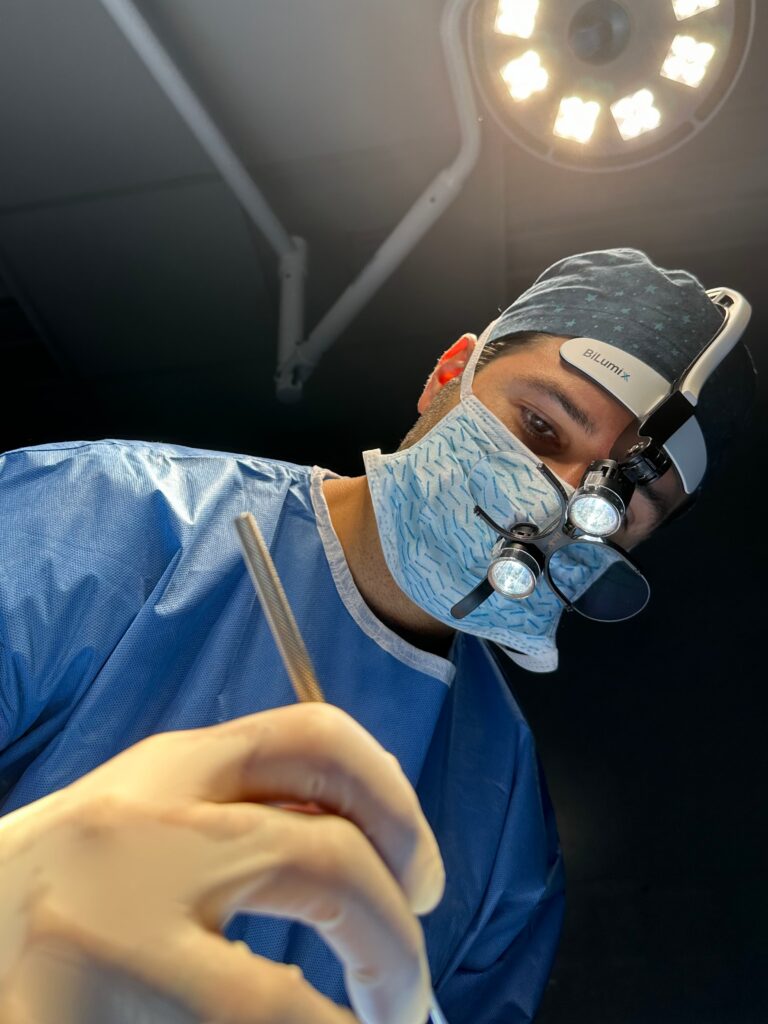
Rhinoplasty is performed under general anesthesia at our accredited surgical facility, typically taking two to three hours. Dr. Vranis uses a combination of open and closed techniques depending on what each individual nose requires. Modern technique focuses on preserving and reshaping the natural cartilage and bone of the nose, rather than removing or grafting more than necessary.
Most patients return home the same day, with a small splint protecting the nose for the first week. Detailed pre-op and post-op packets walk you through every stage.
What to expect during recovery
The first week of rhinoplasty recovery is the most noticeable: bruising and swelling around the eyes and nose are typical and resolve quickly with rest and head elevation. The splint is removed at one week, and most patients feel comfortable returning to desk-based work and social activities within seven to ten days.
Final results emerge gradually as residual swelling continues to settle over the following months. Subtle changes are still visible up to a full year after surgery — and the result is built to last.

Why patients choose Dr. Vranis
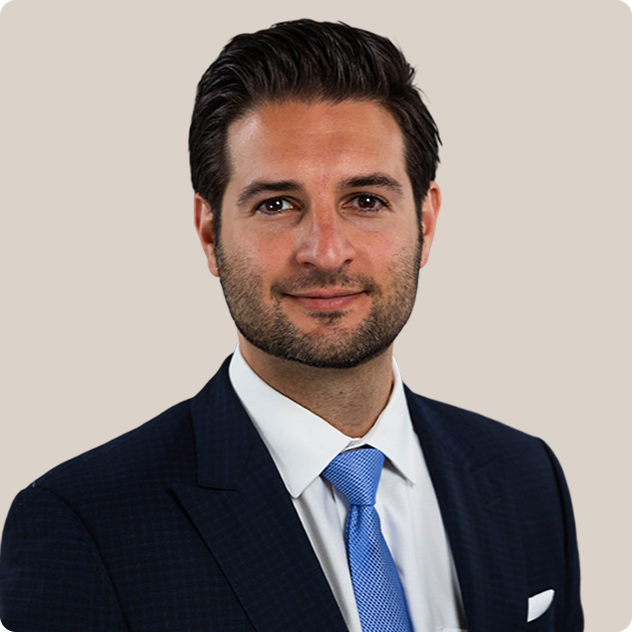
Patients choose Vranis Plastic Surgery for rhinoplasty because of Dr. Vranis’s combination of training and approach. He completed his residency at NYU Langone Health — one of the country’s premier programs — and a prestigious aesthetics fellowship under Drs. Calvert, Ghavami, Ordon, Chopra, Gabbay, and Perez. His Beverly Hills practice is intentionally small, which means every patient receives direct attention from start to finish.
The result is a quietly confident approach: refined technique, an artist’s eye for proportion, and the kind of long-term care that builds trust over years, not weeks.
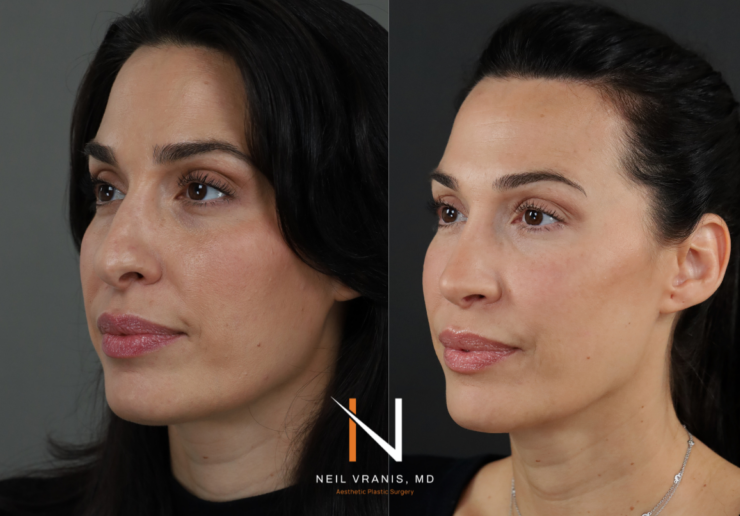
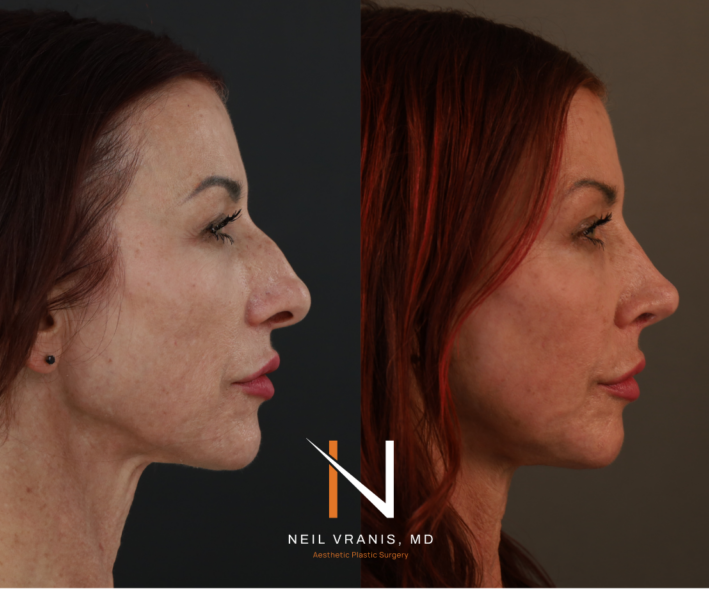
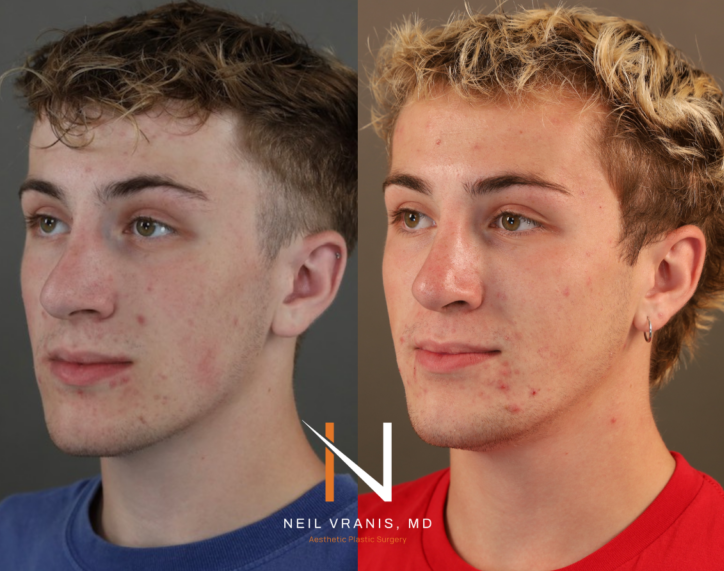
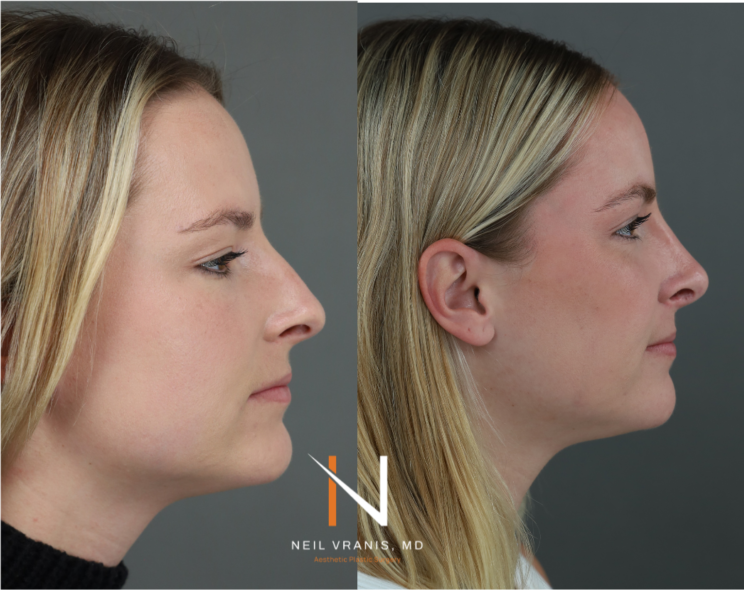
Before & After Highlights
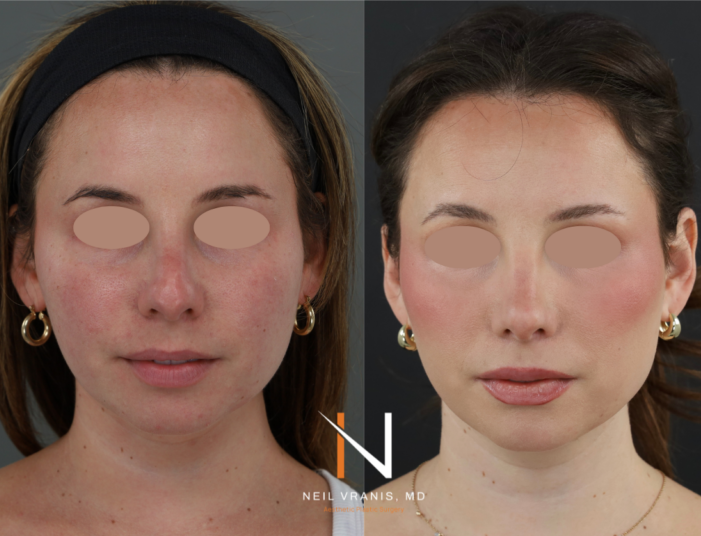
A small selection of recent results. Full galleries are shared during your consultation.